Indoor Nets, Cold Mornings and the 2027 Rebuild: Inside Harrogate's Cricket Winter
Photo: Praveenkrr, CC BY-SA 4.0, via Wikimedia Commons
By the first week of November, the 2026 season is already being filed away. Covers are going on, squares are being rested and the pavilions are quieter than they have been since April. But the break is not really a break. Across Harrogate and the surrounding villages, the real work of the 2027 season has already started in sports halls, gyms and WhatsApp groups.
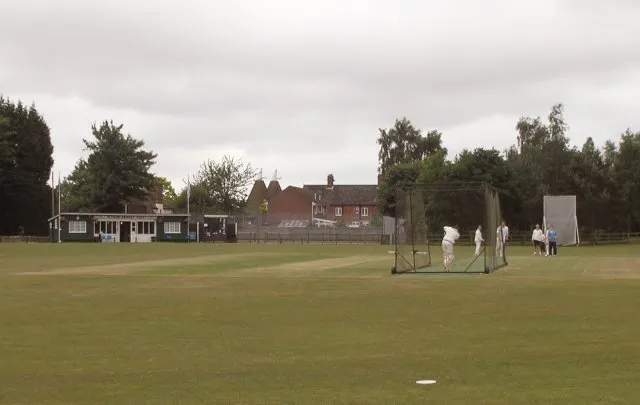
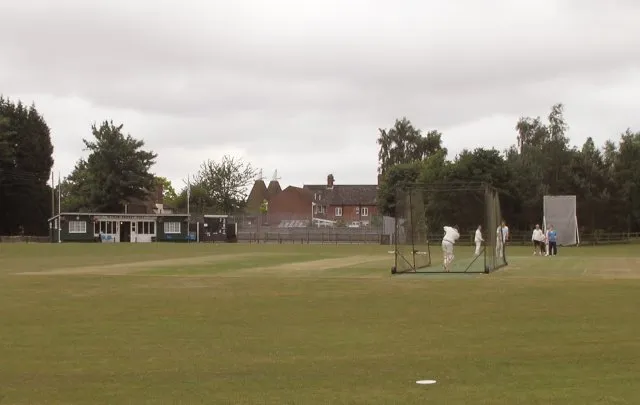
Winter nets are where a club finds out what it actually has. Not just who can bat and bowl, but who turns up, who brings a mate, who can coach a group of under-13s and who is still answering emails in January. The season review does not stop at the final ball. It carries on through the cold months.
The hall-hire maths
Indoor nets are not free. A school sports hall in the Harrogate area can cost a club a significant sum per hour, and most clubs book blocks of six to ten sessions before Christmas and another block in the new year. Add lights, heating, insurance and the occasional late cancellation and the numbers add up quickly.
That cost has to be covered before a single ball is bowled in 2027. Some clubs run shared sessions with neighbouring clubs, some use membership fees and winter subscriptions, and some rely on the same handful of volunteers to chase the balance. The practical pressure is simple: every hour in the hall is an hour that has to be paid for, and every empty lane is money the club will not get back.
This is also why winter programmes vary so much. A club with a healthy junior section can justify a longer block. A smaller club might run four sessions and hope for good weather in April. Neither approach is wrong, but the difference tends to show by May.
The coaching bottleneck
Ask any club organiser what the hardest part of winter is and coaching capacity will come up quickly. Qualified coaches are not in endless supply. ECB Level 2 awards, safeguarding courses, DBS checks and first aid all take time, and the same people are often asked to run junior nets, senior nets, fitness sessions and the occasional school visit.
A club with 80 juniors might have three or four regular coaches. That is not a criticism of those coaches; it is a reflection of how much hidden work sits behind a junior section. Burnout is a real risk, especially when the winter programme is stacked on top of full-time jobs and family life.
The better-run clubs are trying to grow coaches from within. Senior players are encouraged to take their first coaching steps, parents are asked to help with organisation rather than delivery, and younger coaches are given smaller groups to build confidence. It is slower than booking a hall and hoping for the best, but it is more sustainable.
Keeping teenagers in the lane
The hardest group to keep through the winter is often the under-13s to under-17s. Schoolwork, GCSEs, football, rugby, gaming and the general business of being a teenager all compete for attention. A cold Tuesday night in a sports hall is not always an easy sell.
Clubs that do it well make winter nets feel less like a chore and more like a social occasion. Music helps. Short, sharp drills help. Mixed formats, pairs cricket and competitive games help more than a long queue for the batting cage. Girls' cricket sessions have become an important part of the winter calendar at several local clubs, and giving younger players a group they feel part of is often more important than a perfect technical session.
The clubs that struggle are usually the ones that treat winter nets as a pre-season obligation rather than a programme in their own right. If teenagers only turn up in April, the club has lost three months of habit-building.
Recruitment and the January scramble
Every club has a list. There are the players who are definitely returning, the ones who might, the ones who have moved away and the ones who have been meaning to come down for three seasons. Winter is when that list gets worked through.
Social media helps, but word of mouth still does most of the heavy lifting. A winter social, a quiz night or a pre-Christmas drink can do more for recruitment than a dozen posts. So can a simple message to a former player who stopped playing when work got busy. Clubs that start in November tend to have a calmer February.
The annual scramble is real, though. Every January there are clubs looking for a wicketkeeper, a spare seamer or a junior coach. The clubs that have been running regular nets since October are usually the ones doing the choosing rather than the chasing.
What a strong winter actually looks like
A strong winter is not just a full hall. It is a hall where the same faces keep coming back, where juniors are progressing, where senior players are fit enough to avoid the usual April hamstring lottery and where the committee is not relying on one person to do everything.
A weak winter is harder to spot from the outside. It might look like a quiet club that will come good in spring. Often it means lower numbers, fewer coaches, a late scramble for fixtures and a first XI that is two players short before the season has started. The 2027 season will not be decided in November, but the foundations will be.
The 2027 signal to watch
Over the next few months, the clues will be in the ordinary things: how many juniors turn up in week three, whether the women's and girls' sessions keep their numbers, whether volunteers are rotating rather than resigning, and whether the ground maintenance plan is being followed through the wet months.
Harrogate's clubs do not need a perfect winter. They need a purposeful one. The long nets are already underway, and by the time the first friendly comes around in April, everyone will know who did the work.