What the Scorebook Knows That the App Doesn’t: Harrogate’s Scorers Speak
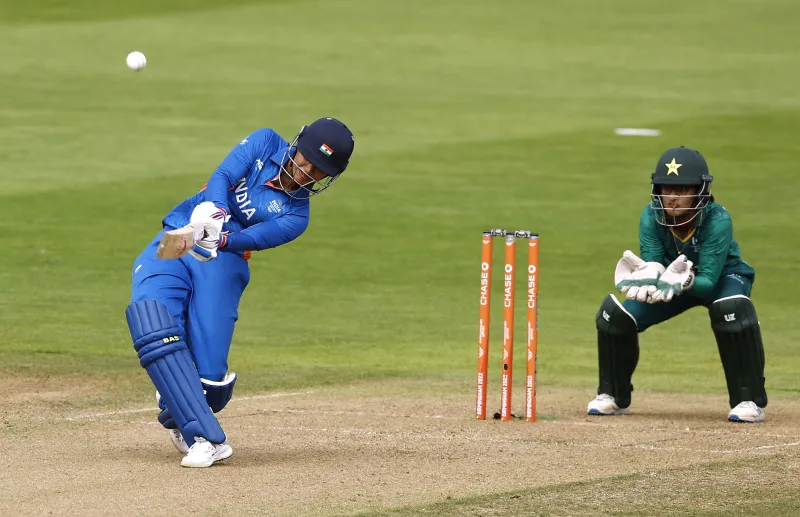
Photo: cricket scorebook pencil scorer club pavilion England, via cloudfront-us-east-2.images.arcpublishing.com
On a damp Saturday in September, the last league fixture of Harrogate’s club season ended with a familiar ritual: a scorer closed a paper book, wrote the result in the margin and zipped it into a kit bag that already smelled of deep heat and rain. Ten minutes later, the same scorecard appeared on a phone screen, complete with overs, extras and a live link for someone’s grandparents in Leeds.
That is the quiet rivalry at the heart of grassroots cricket in the Harrogate district. It is not really paper versus progress. It is memory versus convenience, and both are asking for volunteers who are already stretched.
Two ways of keeping a match alive
A traditional scorebook is a physical record of a day. It has crossings-out, tea stains, a pencil sharpened with a pocket knife and notes in the margin that mean something only to the person who wrote them. A digital scoring app is cleaner. It produces a scorecard in seconds, updates a league table and lets someone in Australia follow the last over before the players have left the field.
Scorers around Harrogate are not anti-app. Most of them use one. The argument starts when a club decides the app is the whole answer.
“The app is brilliant for sharing,” says one long-serving scorer at a Harrogate club. “It is less brilliant when the Wi-Fi drops, the battery goes or the person who set it up is on holiday. The book never needs charging.”
The volunteer problem no app has solved
The bigger issue is not the tool. It is the person holding it. Club cricket in the Harrogate area relies on a small number of scorers who turn up week after week, often across senior and junior teams. When one of them is ill, at a wedding or simply knackered, clubs panic.
Digital scoring has lowered the barrier in some ways. A younger player can tap in runs without knowing every shorthand symbol. But an app does not create a volunteer culture. It can even make things worse if clubs assume the live scorecard will look after itself.
Several local sides spent parts of the 2026 season asking players to score on a rota. The results were mixed. Some picked it up quickly. Others found that scoring while fielding, umpiring or chasing a dog off the square is not a realistic plan. The clubs that coped best had two people who knew the system, a paper backup and a clear handover.
Reading the game in pencil
There is a reason older scorers talk about reading a game rather than recording it. A scorebook shows rhythm. You can see a bowler tightening after a loose first spell, a captain pushing a fielder back, a partnership building in singles. The app gives you the same numbers, but the book gives you the shape of the afternoon.
A clean digital scorecard can also hide the mess that made the match memorable. It will tell you a side was bowled out for 48. The book tells you they were 22 for 7, the rain came, a catch went down at mid-off and the last pair ran three all-run fours before the final wicket. One is data. The other is a story.
That matters in Harrogate because so much of club cricket is local history. The scorebook is often the only place where a junior’s first fifty, a veteran’s last wicket or a ridiculous last-wicket stand is written down. Clubs lose that if the only record lives in an account nobody can access in five years.
What clubs lose when every ball is a tap
Live scoring is a genuine win. It helps families follow games, gives sponsors something to share and makes league tables easier to update. Nobody sensible wants to bin that. But clubs should be honest about the trade-offs: subscriptions, signal, battery life, data ownership and the risk of a scorecard disappearing when a phone contract ends.
The best approach in the Harrogate district looks like a hybrid. Keep the paper book as the official record. Use the app for live updates and spectators. Train two scorers, not one. Print or photograph the book at the end of the season and file it with the club archive. Treat scoring as a role worth thanking, not an afterthought squeezed in beside the teas.
As clubs plan for 2027, the question is not whether the app belongs at the ground. It does. The question is whether anyone still knows how to keep the story when the screen goes dark.